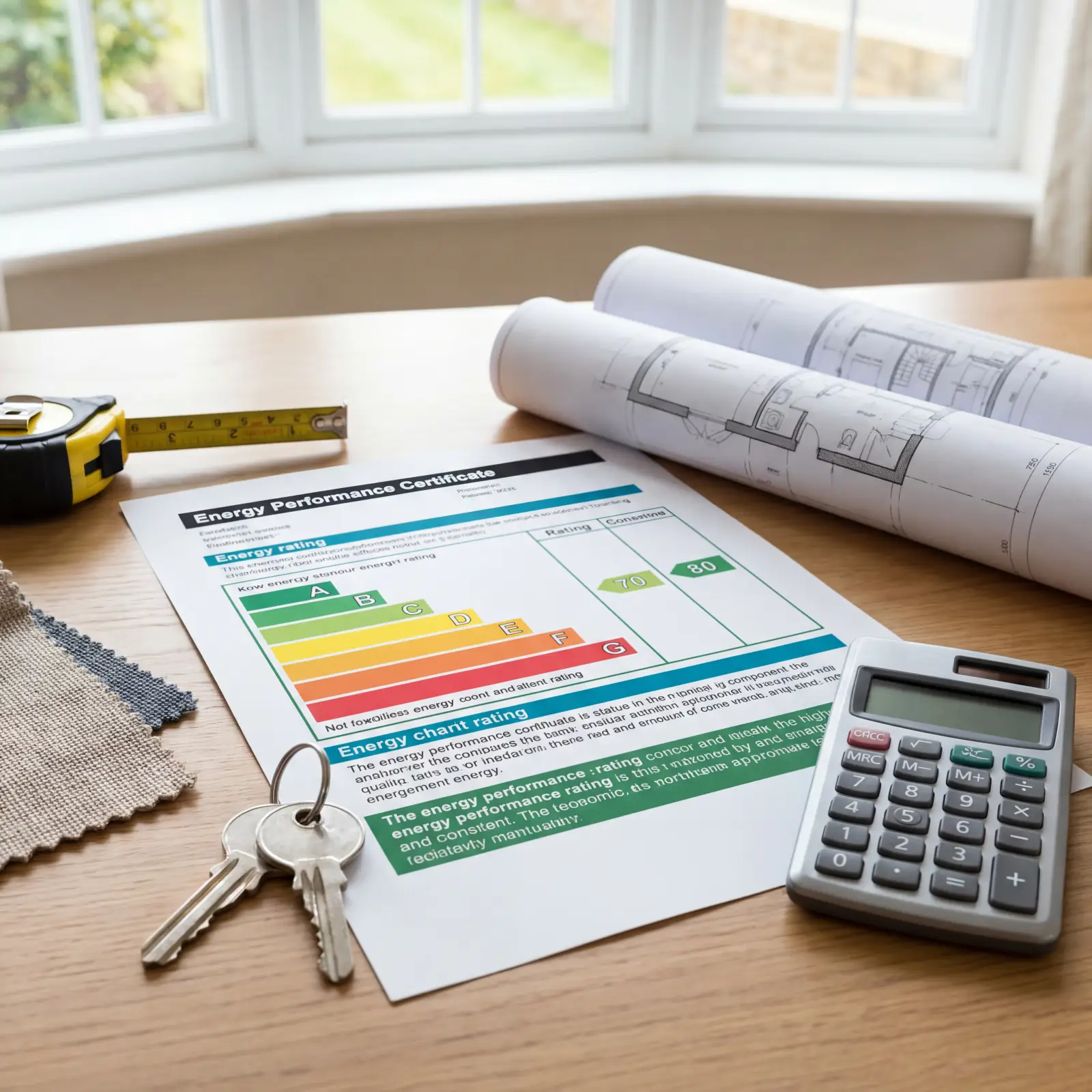
The Energy Performance Certificate, that rainbow chart everyone glances at during a sale or tenancy, is in the middle of its biggest overhaul since it was invented. Government reforms are reshaping what EPCs measure, how they're calculated and how much they matter, while minimum-standard rules for rented homes tighten along their own track. Glazing is one of the items an assessor scores directly, so window decisions and EPC strategy have quietly become the same conversation. What follows is the 2026 state of play, with appropriate caution wherever the rules haven't fully settled yet.
What's changing, in outline
Three strands of reform matter. First, the calculation engine. Assessments are moving to the Home Energy Model, a more granular successor to the old SAP-based method, intended to reflect real fabric performance more faithfully. Second, the metrics. Rather than one composite score, reformed EPCs are set to report multiple headline measures covering fabric performance, heating system, running costs and carbon, so a home's glazing quality shows up distinctly instead of being blended away. Third, validity and coverage rules are tightening, which means more transactions will need a current, accurate certificate. Exact commencement dates have shifted before and may shift again. The direction, towards more accurate and more consequential EPCs, has not.
The rental deadline that matters most
For landlords, the live issue is minimum energy efficiency standards. Government has confirmed its intention to require rented homes to reach EPC C, under the reformed metrics, by 2030, up from today's E. Millions of rental properties sit below that line, and the queue for retrofit trades won't get shorter as the deadline approaches. Glazing is rarely the whole gap, but it's frequently part of it. Failed or pre-2002 windows drag the fabric score, and replacing them is among the more straightforward points available, done in days without tenants moving out. Landlords who map their portfolio's gap now get to choose their timing. Those who wait will be buying in the 2029 rush, at 2029 prices.
Where windows sit in your rating
- Assessors record glazing type and coverage directly, whether single, pre-2002 double, modern double or triple, and it feeds the fabric score. The ratings-and-U-values detail explains the mechanics
- Moving from single or failed 1990s glazing to A++ typically contributes several EPC points. Occasionally that's a band edge; usually it's a solid step within one
- Windows also fix what assessors can't score but buyers can feel: draughts, condensation and cold rooms, the things that make low-EPC homes hard to let and sell
- Under the reformed multi-metric format, fabric improvements like glazing are expected to show more visibly, which is good news for owners who've invested, per the value evidence
Sensible moves for 2026, by situation
Homeowners selling soon: get a current EPC early, fix the cheap items first (glazing units, draught-proofing, a loft top-up) and let the certificate work for you rather than against you. Landlords: audit every property against EPC C now, sequence the works across tax years, and slot window replacement in wherever the fabric score needs it. The Awaab's Law damp rules often point at the same failed glazing anyway. Long-term owners: ignore the bureaucracy and follow the physics. Fabric-first improvements cut bills today and will be scored fairly by whatever the certificate eventually becomes.
A calm word about compliance panic
Reform periods breed salesmen waving deadlines. We'd suggest two anchors. Dates for EPC reform and rental minimums have moved before, so check any 'must act by' claim against official guidance rather than a brochure. And improvements justified only by regulation are usually the wrong ones, while improvements justified by physics, meaning warmer, drier, cheaper-to-run rooms, stay safe under every version of the rules. Windows sit firmly in that second category. Specify quality glazing once, keep the paperwork, and every future certificate takes care of itself.
There's a deeper shift underneath all this that deserves naming. Energy performance is becoming a property's third price, alongside purchase cost and council tax band. Buyers filter listings by it, lenders price mortgages against it, tenants ask about it, and reformed EPCs will state it more legibly than ever before. Homes with documented, genuine fabric quality, efficient glazing prominently included, are accumulating a quiet premium that the older certificates used to blur. That's the real reason to treat the reform as an opportunity rather than paperwork. The market is finally learning to see what good windows were always worth.
Frequently asked questions
What is changing with EPCs in 2026?
The assessment engine is moving to the Home Energy Model, certificates are set to report multiple metrics (fabric, heating, running costs, carbon) instead of one blended score, and validity rules are tightening. Timings have shifted before, so verify current dates, but the direction is fixed.
Do rental properties really need EPC C?
Government has confirmed its intention to require EPC C for rented homes by 2030 under the reformed metrics. Landlords below the line should plan works now, because retrofit trades will be scarce and expensive close to the deadline.
How many EPC points do new windows add?
Typically several points when moving from single or failed 1990s glazing to modern A++. Occasionally that's enough to cross a band boundary, and under multi-metric reform the fabric improvement should show more distinctly. An assessor can model your specific gap.
Should I get a new EPC before or after new windows?
After, if you're selling or letting, so the certificate reflects the upgrade. Before, if you're planning works, because the current assessment shows where the cheap points are and lets you spend in the right order.
Do window improvements count without FENSA paperwork?
Assessors record what they observe, but sale and letting due diligence will want the compliance certificates too. Keep FENSA documentation with the EPC as one evidence pack; both transfer value to buyers and tenants.
Is it worth improving an EPC if I'm not selling?
Only through measures that pay their own way, which good glazing does through bills and comfort regardless of certificates. Chase the physics, not the points, and the points follow anyway.
Turn glazing into EPC points, properly
One house before a sale or a whole rental portfolio heading for C, either way we'll survey the glazing gap, quote factory-direct and hand over the paperwork that makes every future assessment easy. Manchester-made, 10-year guarantee.
Call 07533 830717, WhatsApp us a photo for a fast quote, or request a free quote online.